How does household food waste impact families, nutrition, and the environment?
This study examined the amount of avoidable food waste generated by families with young children and explored the economic, nutritional, and environmental impacts of wasted food.
What We Did and Why We Did It
We analyzed data from 94 families with young children (ages 2–8 years) living in Guelph, Ontario, who participated in a detailed household food waste audit. Over 3–4 weeks, researchers collected and analyzed families’ garbage, recycling, and organic waste to identify and weigh individual food items. Each item was categorized by food group and whether it was avoidable (could have been eaten) or unavoidable. Researchers also used grocery receipts to estimate the cost of wasted food and assessed the nutritional losses (calories, vitamins, and minerals) and environmental impacts (greenhouse gas emissions, land use, and water use) associated with avoidable food waste.
Food waste is an important environmental, economic, and public health issue. Although previous research has estimated the amount of food wasted by households, many studies rely on surveys or indirect measurements that may underestimate actual waste. Understanding what foods families are wasting and the associated impacts can help inform strategies and interventions to reduce food waste, save money, and promote healthier and more sustainable food practices.
What We Found
What We Can Learn From This
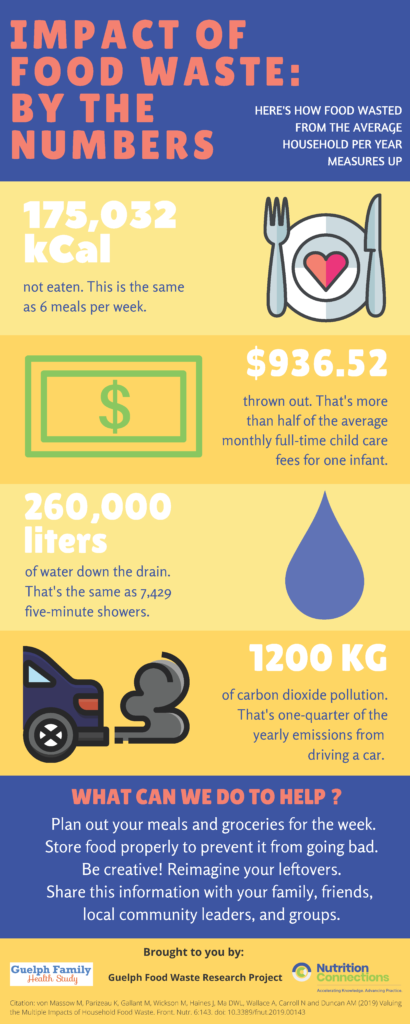
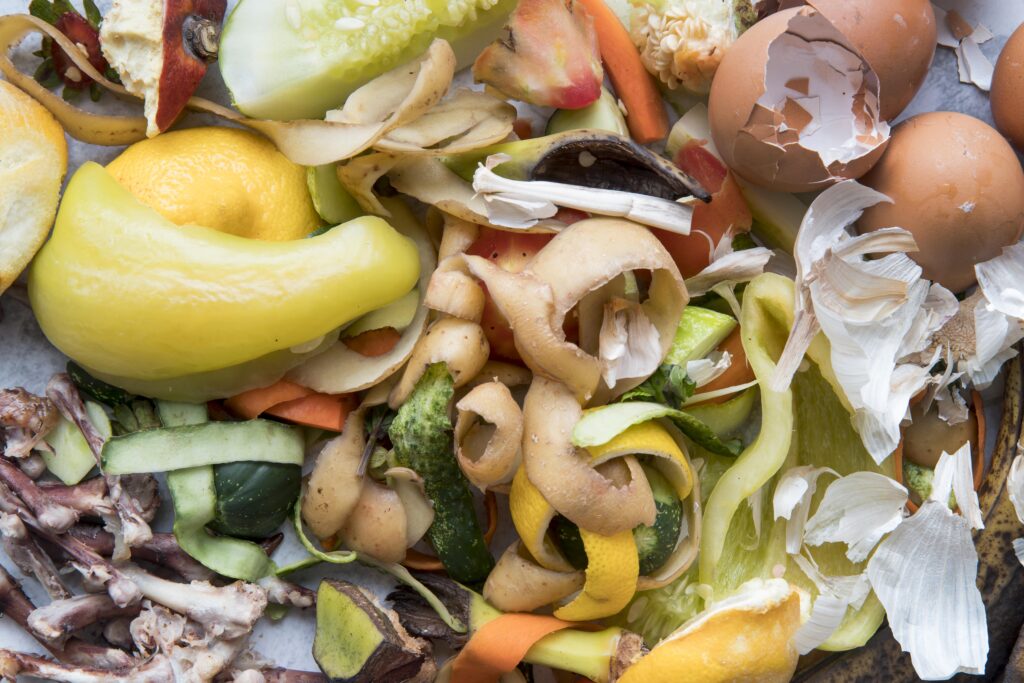
Families generated an average of 2.98 kg of avoidable food waste per week. This was equivalent to approximately $18.01 per week ($936.52 per year) in wasted food, 3,366 calories, and 23.3 kg of carbon dioxide emissions. Fruits and vegetables made up the largest proportion of avoidable food waste (65.5%), followed by bread and cereals (24.2%). Commonly wasted foods included bread, tomatoes, apples, watermelon, potatoes, pasta, and rice. Wasted food also represented important nutrient losses, including fibre, vitamin C, vitamin A, calcium, and other vitamins and minerals. Avoidable food waste contributed to environmental impacts through greenhouse gas emissions, land use, and water consumption.
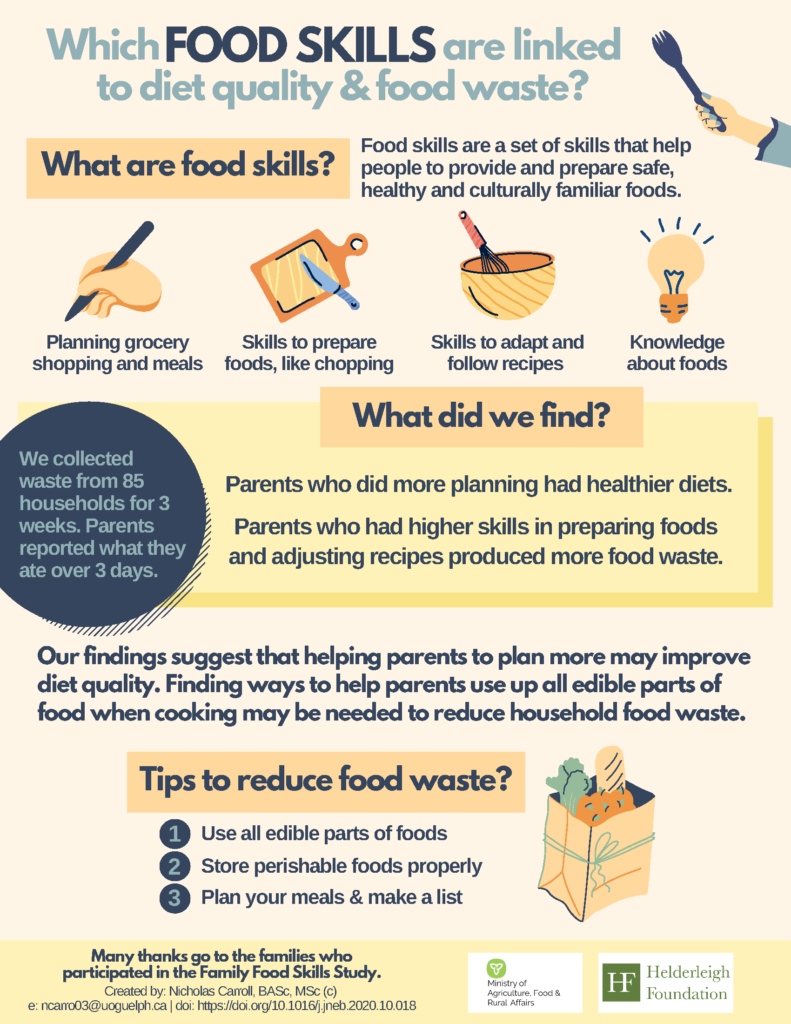
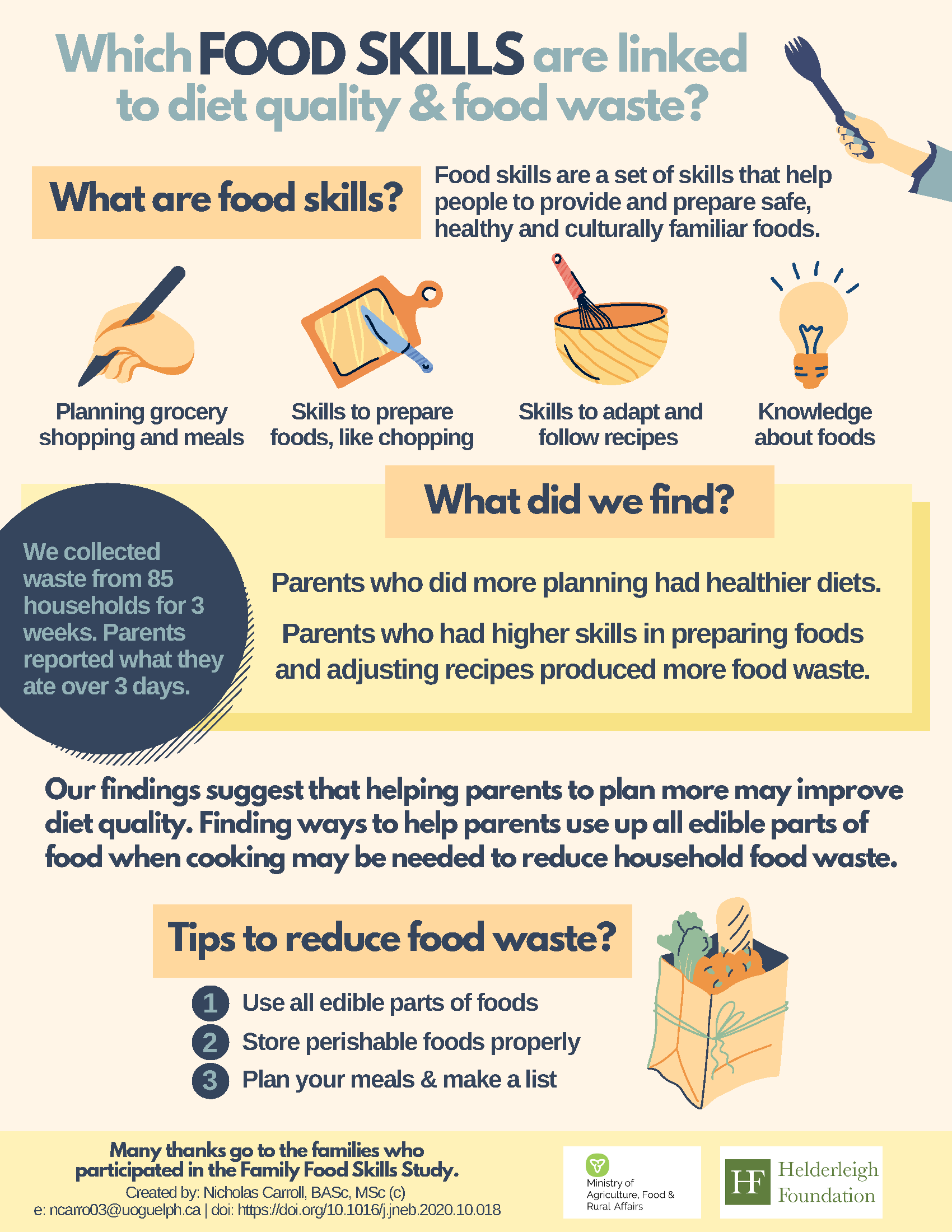
Household food waste represents more than just discarded food—it also represents lost money, nutrients, and environmental resources. Improving food planning, shopping habits, storage practices, and meal preparation skills may help families reduce waste. Strategies that encourage families to use the fruits, vegetables, and other nutritious foods they already purchase may support both healthier diets and more sustainable food systems.
Read the full article published here:
Related Family Resources: