

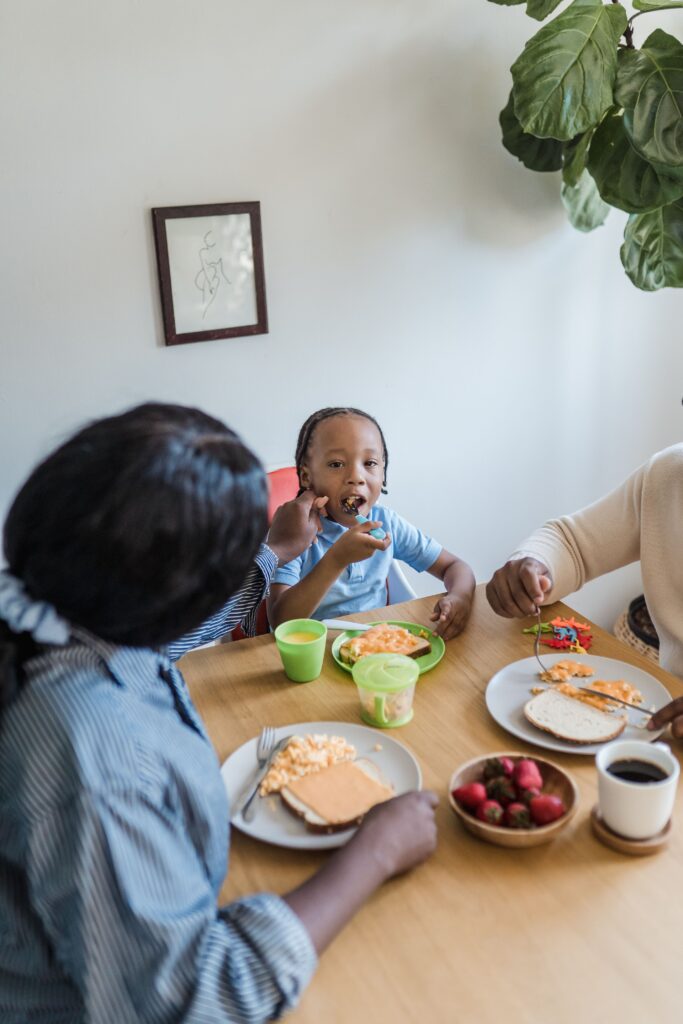
How does a parent’s weight status influence the way they support healthy eating habits in their children?
This study explored whether parental body composition (including BMI, waist circumference, and body fat percentage) was associated with food parenting practices among Canadian families with preschool-aged children.
What We Did and Why We Did It
We examined data from 41 families participating in the Guelph Family Health Study pilot, including 68 parents and 52 preschool-aged children. Researchers measured parents’ height, weight, waist circumference, and body fat percentage using detailed body composition assessments. Parents also completed questionnaires about their food parenting practices, including how they encouraged healthy eating, involved children in food preparation, and supported dietary variety. Statistical analyses were used to explore relationships between parental body composition and feeding practices while accounting for factors such as child BMI, child sex, parent sex, and household income.
Parents play an important role in shaping children’s eating habits through the foods they provide, the behaviours they model, and the ways they involve children in meals. While previous research has explored how parents’ weight status may relate to controlling feeding practices, less was known about how parental body composition influences other important food parenting behaviours, such as encouraging balanced diets and involving children in meal preparation.
What We Found
What We Can Learn From This
Parents with higher BMI, waist circumference, and body fat percentage were less likely to encourage their children to eat a balanced and varied diet and were less likely to involve their children in meal planning and preparation. These relationships remained even after accounting for child characteristics, parent sex, and family income. No significant relationships were found between parental body composition and controlling feeding practices, such as restricting foods or pressuring children to eat.
Parents influence children’s eating behaviours in many ways beyond simply deciding what foods are available. Encouraging a variety of foods and involving children in cooking and meal planning can help build healthy eating habits from a young age. Family-based health programs may benefit from considering how parents’ own experiences, behaviours, and circumstances influence the food environment they create for their children.
Read the full article published here:

Related Family Resources: