How did COVID-19 change the way families manage food waste?
How did COVID-19 change the way families manage food waste?
This study examined how the COVID-19 pandemic affected household food waste behaviours and found that while total food waste stayed the same, families produced less avoidable food waste and changed how they planned, prepared, and used food at home.
What We Did and Why We Did It
We analyzed food waste data from 19 families with children in Guelph, Ontario who participated in the Weeknight Supper Savers study. Families completed 4-week household food waste audits before and after COVID-19 restrictions began, where researchers collected and measured different types of waste, including avoidable food waste (food that could have been eaten) and unavoidable food waste (such as peels and bones). Families also completed surveys about their grocery shopping, meal preparation, and food waste behaviours, and some parents participated in interviews to describe how their routines changed during the pandemic.
The COVID-19 pandemic changed the way families purchased, prepared, and ate food, with many households cooking more meals at home, grocery shopping less frequently, and spending more time managing food. These changes may have affected how much food families wasted, but previous research often relied on people estimating their own food waste. By using household waste audits, this study provided a more accurate picture of how food waste changed during the pandemic and identified behaviours that may help reduce food waste.
What We Found
What We Can Learn From This
Total household food waste did not significantly change after COVID-19 restrictions began, with families producing a similar amount of food waste before and during the pandemic. However, the type of food waste changed. Avoidable food waste decreased, particularly waste from foods such as prepared meals, meats, and grains. This may have been related to families using leftovers more often, planning meals more carefully, and paying closer attention to the food they already had at home. In contrast, unavoidable food waste increased, especially fruit and vegetable scraps, likely because families were cooking and preparing more meals at home. Families also reported buying more groceries per shopping trip, making shopping lists more often, and being more mindful of their food purchases.
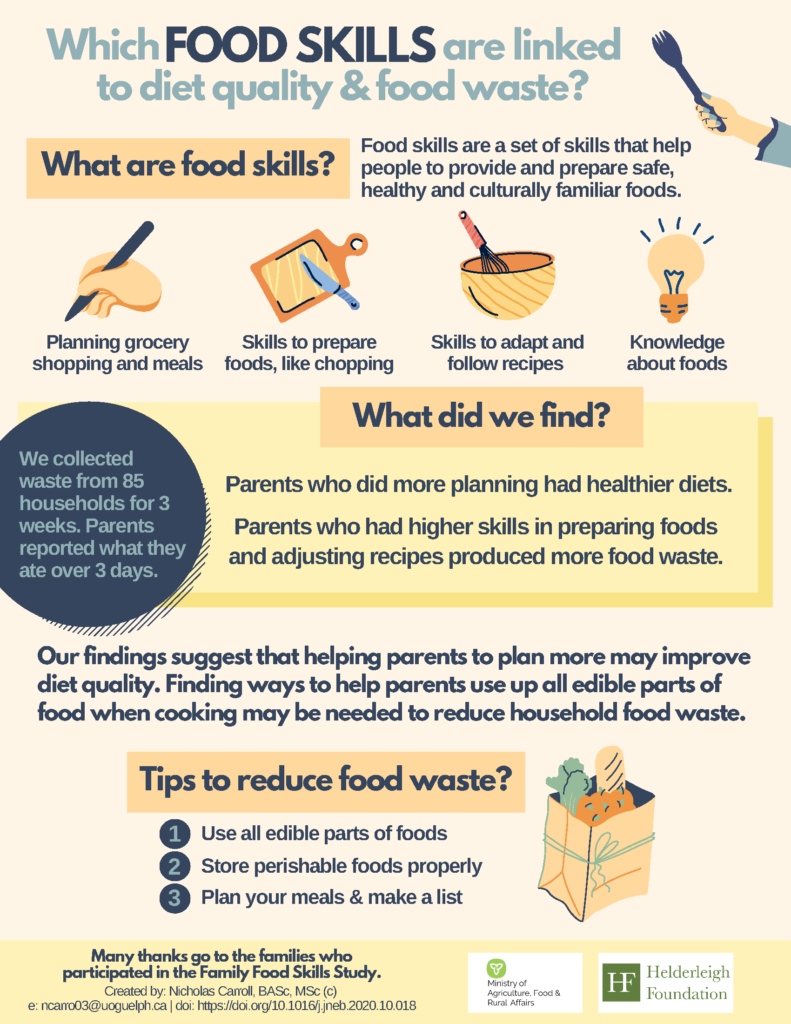
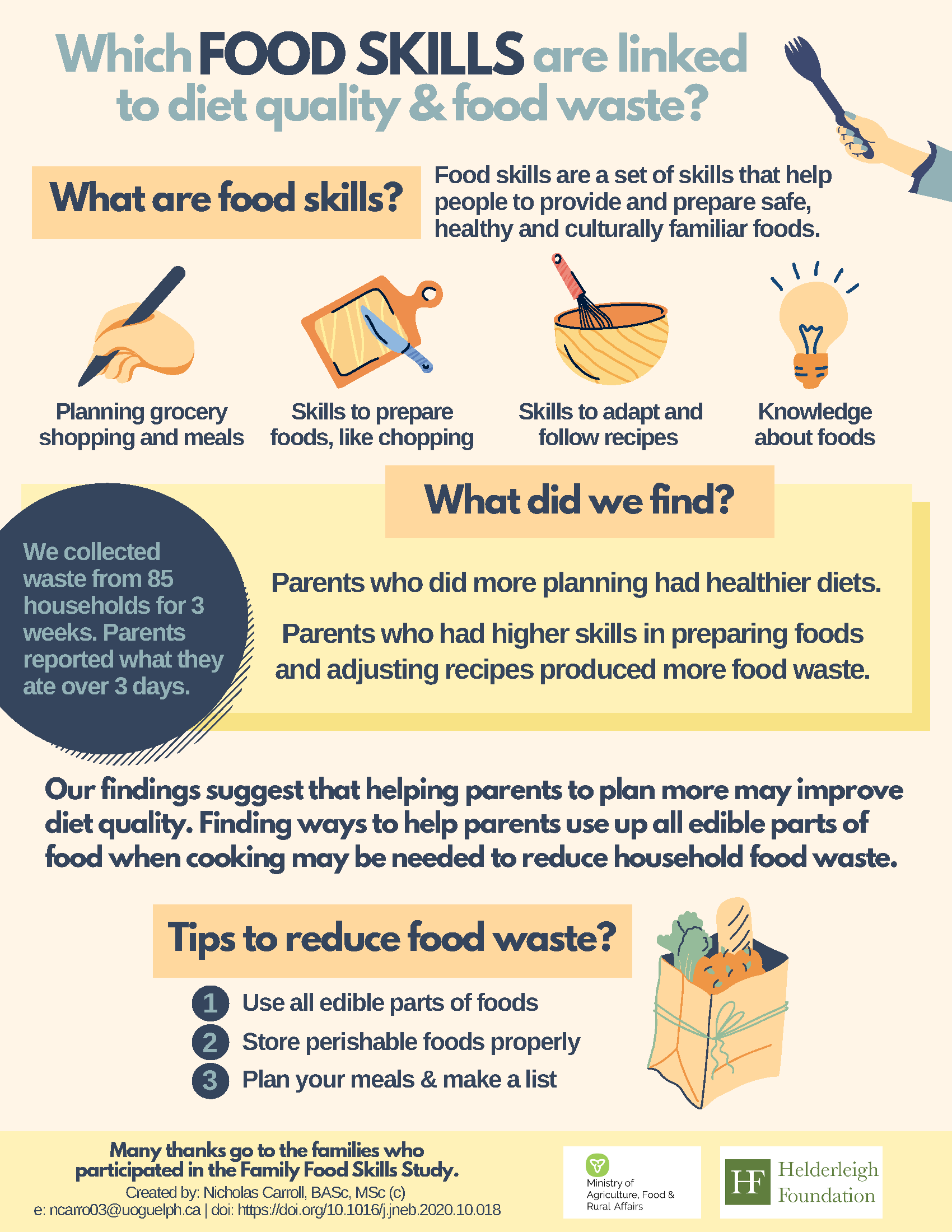
Small changes in food management habits can help families reduce avoidable food waste. Planning meals, checking what food is already available, using leftovers, and being intentional about grocery shopping can help prevent edible food from being thrown away. Supporting families in developing these skills may be an effective strategy for reducing household food waste.
Read the full article published here:
Related Family Resources: