Does the amount of processing in foods influence sugar intake among young children and their families?
This study examined how different levels of food processing are associated with sugar intake among preschool-aged children and their parents, finding that ultra-processed foods were a major contributor to free sugar intake in both groups.
What We Did and Why We Did It
Researchers from the Guelph Family Health Study analyzed dietary data from 242 families, including 267 preschool-aged children and 365 parents, to explore the relationship between food processing and sugar intake. Foods reported through 24-hour dietary recalls were categorized using the NOVA Food Classification System, which groups foods based on their degree of processing. Researchers then examined how intake of unprocessed or minimally processed foods, processed culinary ingredients, processed foods, and ultra-processed foods was associated with total and free sugar intake.
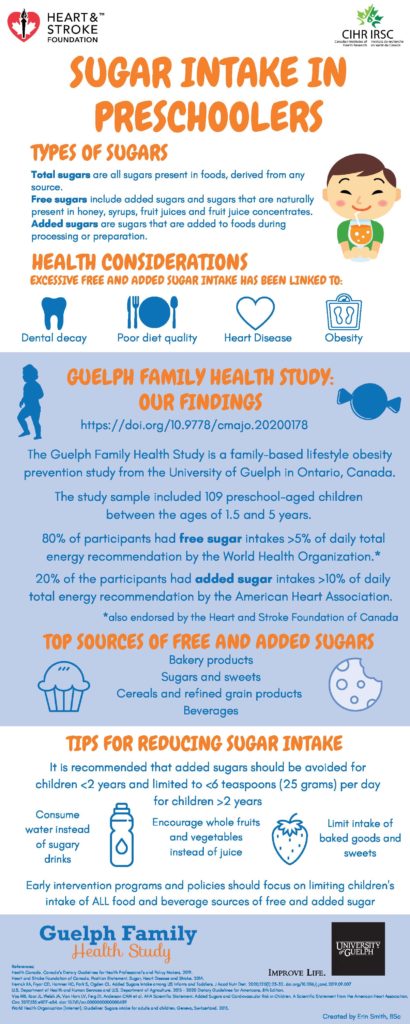
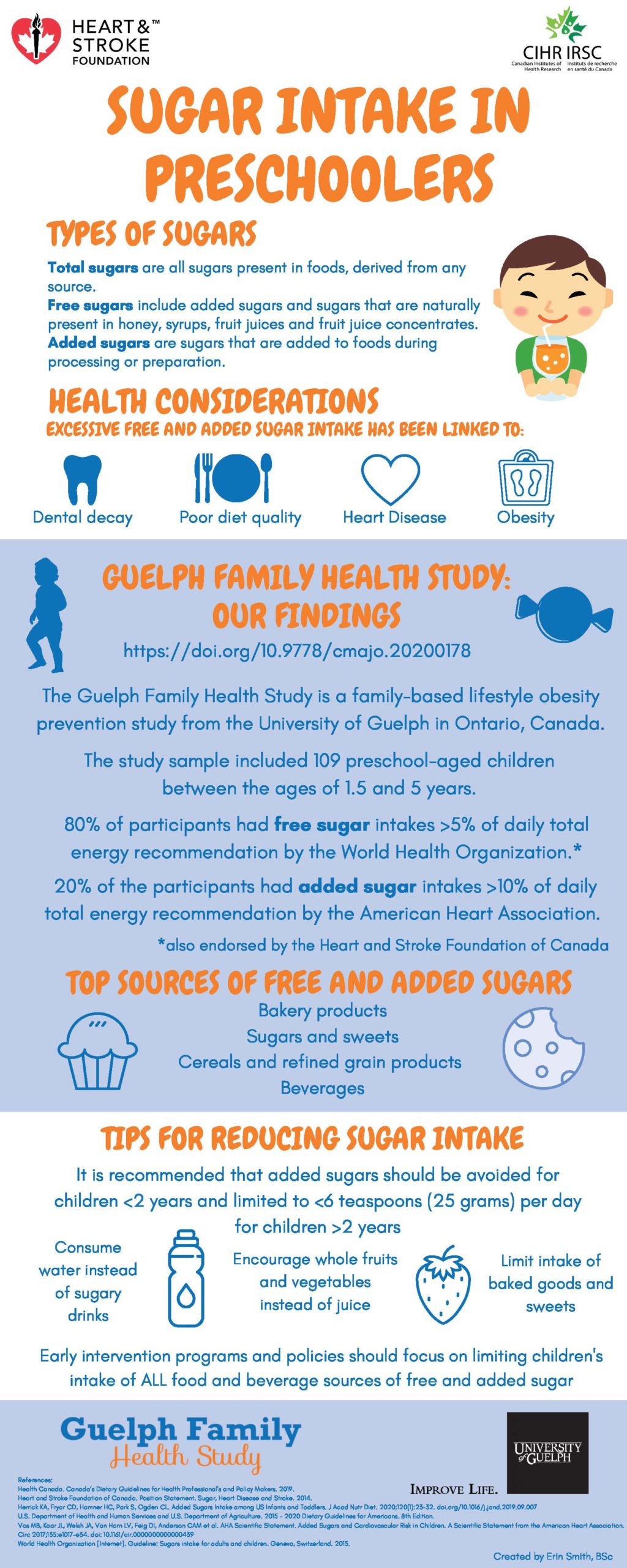
Excess intake of free sugars has been linked to negative health outcomes, including increased risk of obesity, dental cavities, and cardiometabolic diseases. While ultra-processed foods are known to be a common source of added sugars, less was understood about how food processing levels contribute to sugar intake among young children and their families. Since eating habits are developed early in life and influenced by the family food environment, understanding these relationships can help guide nutrition recommendations and health promotion strategies.
What We Found
What We Can Learn From This
Ultra-processed foods contributed the most energy in both parents’ (44.3%) and children’s (41.3%) diets and were the largest source of free sugars. Higher intake of ultra-processed foods was associated with higher total and free sugar intake among both parents and children, while greater intake of unprocessed or minimally processed foods was linked with lower free sugar intake. In children, sweet snacks and sweetened milk-based products were among the biggest contributors of free sugars from ultra-processed foods, while sweetened drinks, sweet snacks, and baked goods were important contributors among parents. The study also found a small relationship between parent and child intake of ultra-processed foods, highlighting the potential influence of the family food environment on dietary patterns.
The findings suggest that focusing on the overall quality and processing level of foods may be an effective approach for reducing excess sugar intake. Encouraging families to include more minimally processed foods while limiting sources of ultra-processed foods may support healthier eating patterns for both children and parents.
Read the full article published here:
Related Family Resources: