


How Does Chronic Stress Affect Weight Gain in Young Children?
This study explores how stress impacts young children
What We Did and Why We Did It
Researchers launched the Family Stress Study, a two-year study following 359 Canadian families with children aged 2–6 years. Families completed surveys about stress, health, and daily habits, while researchers collected information on children’s growth, sleep, physical activity, diet, and stress levels using hair samples to measure the stress hormone cortisol.
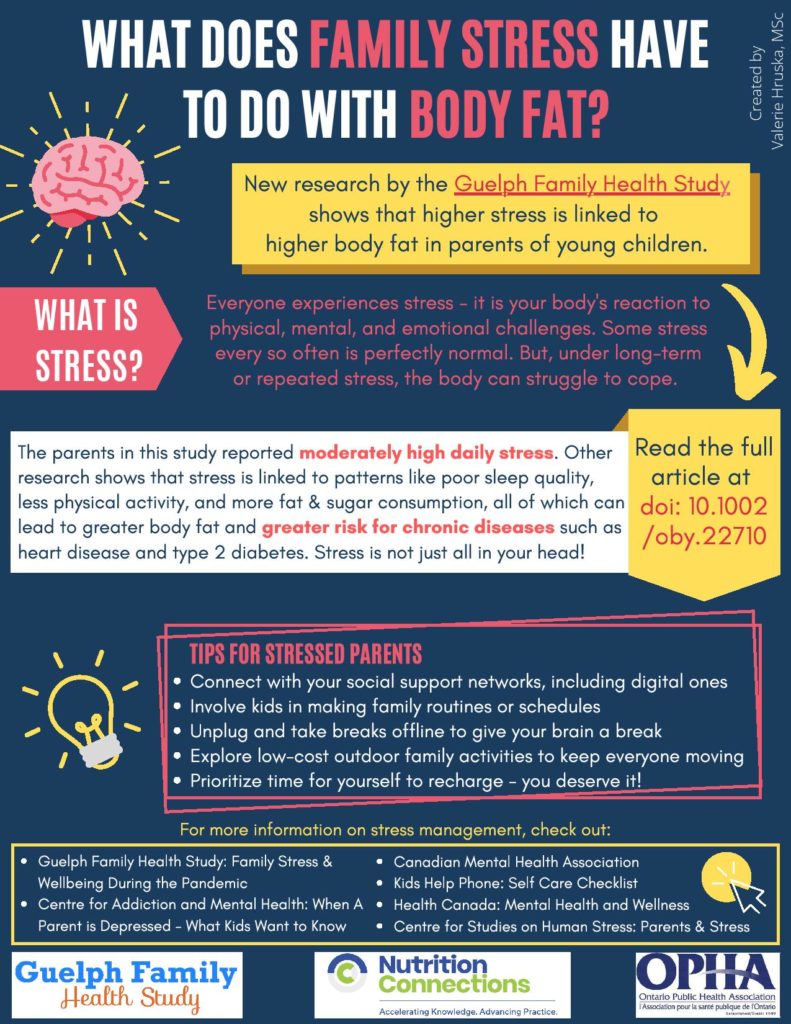
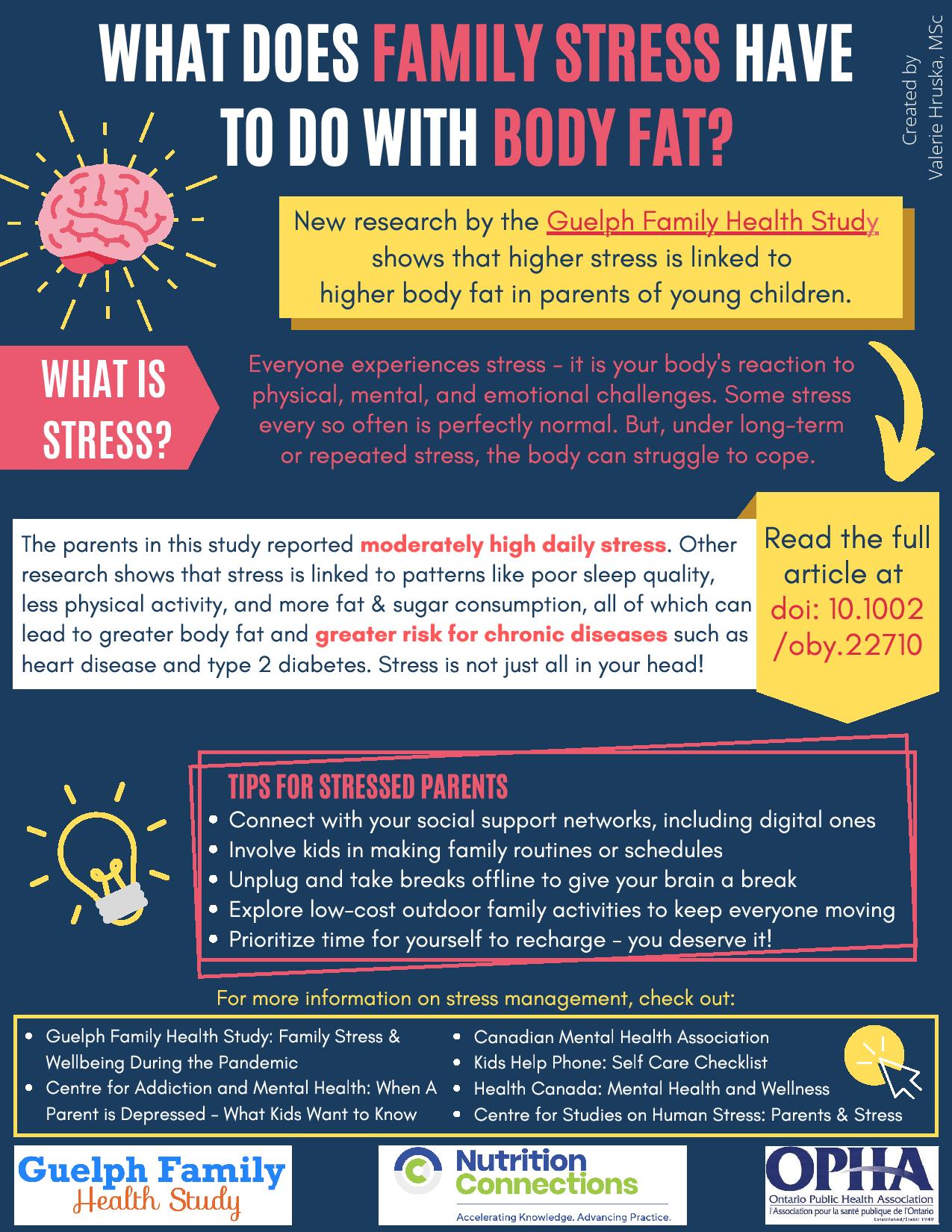
Chronic stress has been linked to obesity in children, but researchers do not fully understand why. This study aims to explore how stress may affect children’s weight through biological factors (like cortisol) and behaviours (such as eating, sleeping, physical activity, and screen time). The study also looks at whether factors like caregiver-child relationships, caregiver education, and child sex influence these connections.
What We Found
What We Can Learn From This
This paper describes the study design and the families who enrolled rather than the final results. Despite the challenges of the COVID-19 pandemic, researchers successfully recruited 359 families and collected detailed information remotely. Data collection has been completed, and researchers are now analyzing the results to better understand how stress may contribute to childhood obesity.
The Family Stress Study will help researchers identify which stress-related factors are most important for healthy child growth. This knowledge can be used to develop better programs and supports that help families manage stress and reduce children’s risk of obesity. This paper reports the study methods and participant information, so the final findings are not yet available.
Read the full article published here:

Related Family Resources:
Other research you may be interested in: